Hey, wouldn't it be cool if we had our own chatbot?
I read about this VR thing the other day. This blog article says it's here to stay, we should totally design our app for VR.
Let me start with a question. It's always nice to follow design trends and slowly make our way towards them, but do we reallllly need this for our app?
This started about four or five months ago, when a YouTube demonstration video I posted back in 2015 for my undergrad capstone project suddenly started getting views. It was called "Speech Recognition on Mac OS X using Java and Sphinx4".
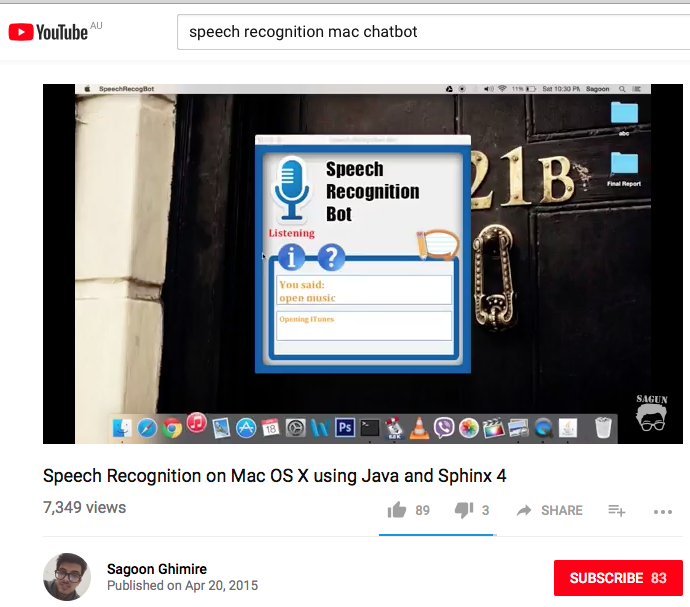
People occasionally asked me for the source code, but a sudden surge in traffic was unusual.
From the comments I worked out it was all because of the word "chatbot". Chatbots were the new buzzword, almost every tech company was talking about them, and everyone was off building their own. So it was normal for a video tagged "speech recognition bot" to turn up in those searches. In the design community too, plenty of my associates were saying VUI (voice user interface) was taking over UI, and that we should adapt ASAP.
My personal take: are chatbots popular? Yes. Will they be used in everyday life once they're stable? Probably. Will a chatbot help me solve the design problem I'm working on? Not necessarily. Staying in the safe zone is fine and all, but we might need to ask ourselves whether we really need our own chatbot, and why.
A similar feeling hit when I tried my eBay Shopticals for the first time. If you don't know what those are, it's a virtual reality shopping headset similar to Google Cardboard. When I signed up for a pair (they were distributed free within Australia on the 19th and 20th of May 2016), I tried hard not to judge before using them.
But the voice at the back of my head was screaming: you guys are a shopping store! I get that you're trying to be first to deliver a VR shopping experience and take the early advantage, but was this the right product for that platform? Was it really necessary?
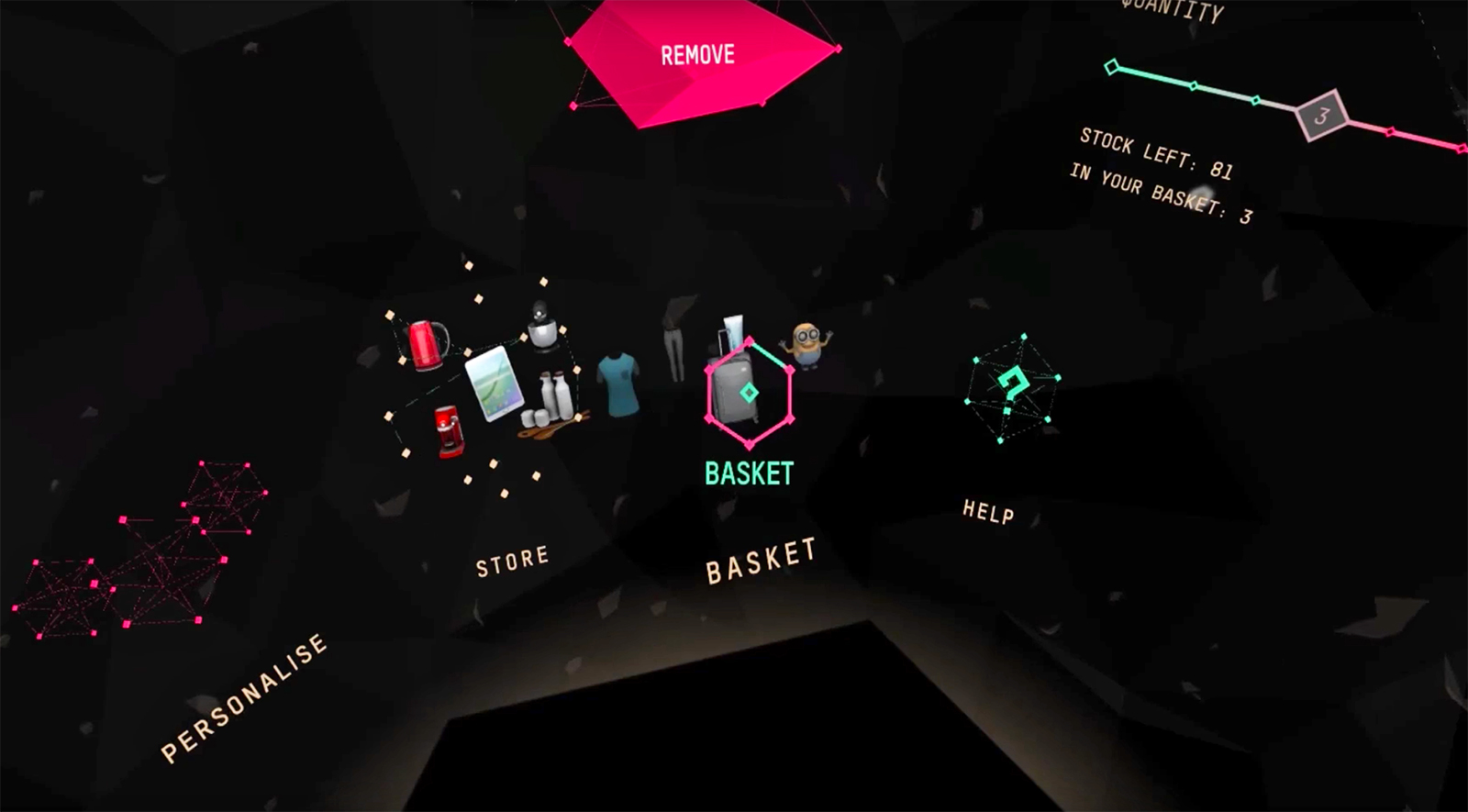
When I received my Shoptical and tried to make my first virtual purchase, a watch for my girlfriend, the frustration was unbearable. There was no way to select a product without going through a mind-mappy list. Checkout wasn't really an option, since entering credentials without a keyboard was close to impossible. It looked nothing like the virtual store I'd imagined; it looked like a ball-and-stick model from high school chemistry.
I'm being honest when I say I love the UI of the eBay web platform and I'm a frequent user. But why VR? Was it well researched? Did the UX research team conclude that VR was what they needed to solve their problem or increase retention? If customer acquisition was the intention, are there a lot of VR users who love shopping? I'd have started with a game store rather than fashion, to be honest. Is VR stable enough that we should design an entire shopping platform around it, or was it just someone saying "hey, VR is the new cool, if we design our shopping store for VR nobody will be able to beat us"?
I believe they're still working on it, and VR shopping was at an early stage. But my Shoptical isn't coming out of the drawer any time soon, at least not until it's usable. Until I don't have to walk a breadcrumb trail of subfolders to find the product I want, or at the very least can select the right product and order it without disconnecting from VR to enter my details and then put the gear back on. If anyone from the eBay VR UX team is reading this, which I highly doubt: usability test, guys.
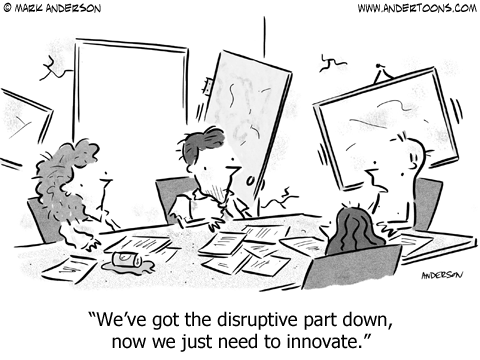
All these new technologies, the craze to create disruptive innovation, everybody slapping these things onto their product whether it's needed or not; none of it is new. A book I read about a year ago, The Best Interface Is No Interface: The Simple Path to Brilliant Technology by Golden Krishna, a design strategist at Google, criticised the idea of adding UI to everything: fridges, washing machines. His argument was that users should be able to achieve their goals without having to use an interface. It sounds ironic, since VUI does exactly what the author intended, but the same UX principle applies to chatbots and VR when someone forces them into an application that doesn't need them, turning it into a complicated, unusable product.
So before taking early advantage of a new service and integrating unnecessary features into our application, how about we hold our horses, do proper user research before investing in a new product idea, and ask one question: do we really need this?